
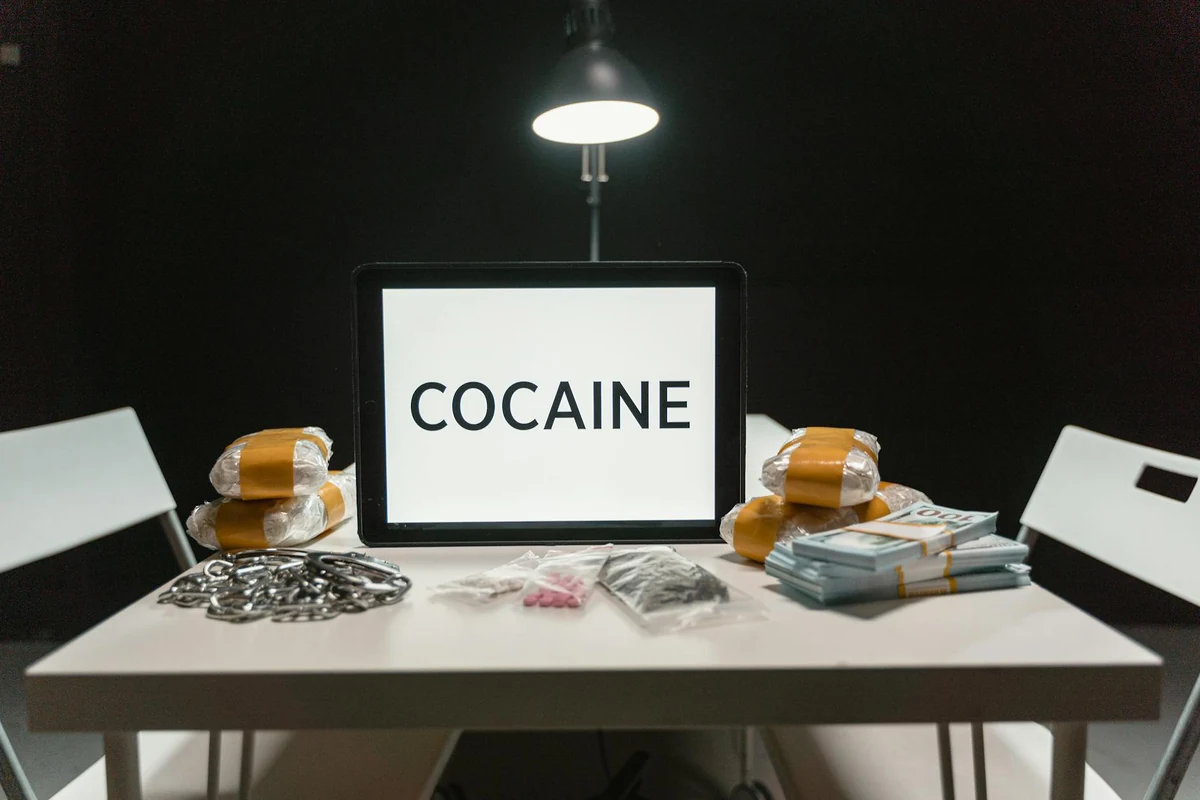
Cocaine gives people a fast argument with their own brain. For a short stretch, it can feel like clarity, confidence and control. Then the bill arrives. The comedown is not a moral lesson. It is chemistry, blood flow, stress signalling and reward circuitry getting pushed past what the brain can handle.
The hardest part is how ordinary the pattern looks from the outside. A person seems sharper, louder, more certain, then becomes irritable, sleepless, paranoid, flat, and finally stuck chasing the next brief lift. That cycle is one reason cocaine is so destructive. It does not just create pleasure. It trains the brain to treat the drug as the only thing worth pursuing, while quietly damaging the systems that handle judgement, memory, mood and restraint.
Cocaine changes the signal, not just the mood
Cocaine belongs in the group of psychoactive substances, and its main trick is simple: it blocks the brain’s recycling system. Under normal conditions, chemical messengers are released into the gap between neurons, pass the message on, and are then taken back up so they can be reused. Cocaine interferes with that clean-up process.
The three messengers most affected are dopamine, norepinephrine and serotonin. Cocaine acts as a serotonin, norepinephrine, dopamine reuptake inhibitor, which means these chemicals stay active for longer than they should. The synapse gets flooded. The receiving cells are hit with a louder, longer signal than the brain was designed to manage.
Dopamine is the one most people feel first. It drives the rush, the surge of reward and the sense that everything has suddenly become possible. Norepinephrine pushes alertness, energy and bodily arousal, which is why heart rate climbs and the body feels wired. Serotonin influences mood, sleep and appetite, so once cocaine interferes with it, emotional balance, rest and eating patterns start to tilt as well.
The result is not a clean high. It is a chemically forced state that looks impressive for a few minutes and then starts breaking down almost immediately.
The high is short and the fallout is predictable
Cocaine’s effects are brief, often around 15 to 60 minutes, depending on how it is taken. Snorting and smoking do not produce the same timing, but both carry the same problem. The brain gets a sharp spike, then a drop. That short cycle is part of what makes the drug so compulsive. People are not just chasing pleasure, they are chasing the end of the drop.
The wanted effects are easy to understand. Euphoria. Exhilaration. A burst of confidence that can feel almost reckless. Some people think more quickly for a while, or at least feel as if they do. Concentration can seem tighter. Social inhibition falls away. A person may speak more, move more, spend more, and take risks they would normally avoid.
The adverse effects arrive quickly too. Irritability can turn to anxiety. Mood can swing hard and fast. Paranoia creeps in. Panic attacks are not rare. Confusion, agitation and aggression can show up even in people who were calm earlier in the evening. Sleep gets wrecked. Libido can rise unnaturally. Sensory sensitivity increases. Some users develop hallucinations, including the disturbing sensation that insects are crawling on or under the skin. In heavier use, cocaine can tip into psychosis.
That is the part families often miss. The person is not becoming “mean” in some vague character sense. Their brain is being pushed into a state where threat, urgency and reward are all distorted at once.
Repetition forces the brain to adapt
The brain is not passive. If it keeps getting slammed with dopamine surges, it adjusts. One of the first changes is tolerance. Dopamine receptors become less available, which means the same amount of cocaine produces less effect than before. The person then needs more of the drug to reach the same place. That escalation is not a bad habit. It is the brain adapting to a chemical overload.
Then comes anhedonia, the dulling of normal pleasure. Food stops feeling rewarding. Sex can feel flat. Social contact loses its spark. Ordinary life becomes irritating, boring or empty. That is one reason cocaine addiction can look so stubborn from the outside. Once the reward system has been blunted, everyday enjoyment no longer competes well with the drug.
Longer use can also drain the brain’s natural neurotransmitter supply. When that happens, the person hits a crash. Fatigue can be severe. Depression can be heavy enough to feel physical. Suicidal thinking can emerge in the trough after binges. This is not just feeling low after a weekend of excess. It is a nervous system that has been pushed into deficit.
Cocaine reshapes brain tissue as well as brain chemistry
Chemical change is only part of the damage. Chronic cocaine use also alters the brain’s physical structure. Grey matter loss increases, and the brain can shrink over time through cerebral atrophy. The prefrontal and temporal lobes are especially vulnerable. Those areas matter because they help with planning, memory, judgement and self-control.
Cocaine also pushes the brain into maladaptive rewiring. Constant dopamine surges can trigger abnormal growth of dendrites and dendritic spines in reward-related circuits. At first glance, that sounds like recovery or growth. It is not. The new wiring strengthens drug-linked pathways and helps cement compulsive drug-seeking behaviour. The brain learns the wrong lesson very efficiently.
Once that happens, stopping is not just a matter of willpower. The system has been trained to prioritise cocaine, remember cocaine and organise behaviour around cocaine.
Blood vessels take a direct hit
Cocaine is a powerful vasoconstrictor. It narrows blood vessels hard. In the brain, that narrowing reduces blood and oxygen supply. Over time, the tissue is left underfed. Chronic hypoxia develops, and cells start dying off. The chain is ugly and straightforward, blood vessel constriction, then oxygen deprivation, then cell death, then shrinkage.
Sustained high blood pressure adds another layer of risk. Blood vessels become weaker and more inflamed. Cerebral vasculitis can develop. That leaves a person with a higher lifetime chance of stroke, brain haemorrhage and aneurysm. These are not edge cases. They are part of the real vascular cost of using cocaine repeatedly.
People often think of cocaine as a heart drug first because of its stimulant profile. The brain pays too. Reduced flow, repeated constriction and damage to vessel walls can leave permanent neurological consequences long after the last line or pipe.
The frontal lobe loses its grip
The prefrontal cortex is where impulse control lives, along with planning, self-monitoring and the ability to stop before acting. Cocaine damages that system. Long-term use can produce frontal lobe hypoactivity, which means the area is underperforming when it should be regulating behaviour.
That loss shows up in day-to-day life. The person becomes worse at weighing options. Negative consequences stop landing properly. The ability to pause, compare and choose is weakened. Self-monitoring also deteriorates, so the person may know something is going wrong and still be unable to interrupt the pattern.
Memory suffers too. Working memory drops off. Attention span becomes patchy. Spatial understanding can be impaired. In some cases, the profile can resemble early-onset Alzheimer’s disease, which is a brutal comparison but not an exaggerated one. The brain is not simply distracted. It is losing functional capacity.
Anxiety can outlast the high by a long margin
Cocaine does not only scramble reward. It sensitises stress systems. The amygdala and the broader stress circuitry become more reactive. The extended amygdala, which helps regulate negative emotion, can stay on edge. That means persistent anxiety, paranoia and irritability, even when the person is not intoxicated.
Hormones are part of this as well. Baseline cortisol can rise. Once stress chemistry is running hotter, the threshold for distress falls. Small problems feel bigger. Normal pressure feels unbearable. Clinical depression can follow, not as a personality flaw, but as part of a nervous system that has been left overstimulated and under-regulated.
This is one of the reasons families get caught in circular arguments. They are trying to reason with a brain that is operating with poor inhibition, high threat sensitivity and reduced access to ordinary emotional balance.
The reward system can stay blunt for a long time
The basal ganglia help shape reward and habit. When cocaine use goes on long enough, that circuitry can become heavily blunted. Pleasure from ordinary activities fades. Eating, socialising, resting and simple conversation may no longer register in the way they once did.
That creates a cruel split. The drug becomes more compelling, while everything else gets quieter. Recovery then has to deal with more than craving. It has to deal with a reward system that may no longer respond normally to life’s basic comforts.
This is where treatment has to be practical, not romantic. The person needs support that accounts for mood swings, sleep disruption, cognitive drift, anxiety and the raw fact that their brain has been trained to expect a shortcut to relief.
Recovery has to account for the brain, not just the behaviour
If cocaine changes brain chemistry, then recovery has to give the brain time and structure to recover function. People often ask whether the damage is reversible. Some changes improve with sustained abstinence, treatment and stability. Some changes may linger. The honest answer is that it depends on the length of use, the amount used, medical complications and whether the person gets proper support.
What cannot be ignored is the practical reality. Cocaine use can leave a person with weaker judgement, a duller reward system, a more reactive stress response and greater medical risk. That combination makes relapse easier and recovery harder unless treatment is serious about structure, follow-up and relapse prevention.
Families also need a clearer picture. Shame does not repair prefrontal damage. Lectures do not restore dopamine balance. What helps is the unglamorous work of assessment, medical care, therapy, monitoring sleep, reducing chaos and building a recovery plan that matches the scale of the problem.
For South African readers, that may mean reaching out for local addiction treatment, a doctor who understands stimulant use, or a rehab service that can deal with cocaine specifically rather than treating it as a side issue. Delaying because the person still “seems functional” is how the damage keeps accumulating.
Cocaine is often sold as a quick escape, but the brain does not experience it that way for long. It learns, it adapts, and then it pays. The real question is not whether the drug works for a few minutes. The question is what it does to judgement, emotion and reward after the brief rush is gone, and how long a person is expected to live inside that wreckage before somebody calls it what it is.