The Myth of the Monster
Most people imagine domestic abusers as unpredictable men with obvious violent tendencies, explosive tempers, antisocial behaviour, visible aggression. It is a convenient stereotype because it creates psychological distance, if the abuser looks like a monster, then the men we know, our brothers, colleagues, neighbours, fathers, friends, could never fit the description. This tidy fiction keeps communities comfortable, but it also allows the vast majority of abusers to operate in plain sight. Most are not socially isolated or publicly aggressive. They are charming, polite, helpful, stable, and often deeply involved in community life. They blend so easily into everyday society that when victims finally speak up, the world reacts with disbelief rather than concern.
The idea that abusers are always “bad men” is a collective lie that protects perpetrators far more effectively than silence ever could. It gives communities a way to reject uncomfortable truths. If the man accused of violence is well-dressed, holds a respected job, remembers birthdays, and cracks jokes at braais, then surely the victim must be exaggerating or “reading things wrong.” This false belief gives abusers a shield they never earned and places an impossible burden on victims to “prove” harm caused behind closed doors.
The truth is unsettling, abusers rely on their likability. They cultivate charm as a defence mechanism. They learn how to win people over not because they are good partners, but because they understand the power of perception. It is their most effective weapon, and society falls for it every time.
When Reputation Becomes a Defence Strategy
Reputation is currency for abusers. The more admired they are, the more insulated they become. Communities tend to defend people who make them feel comfortable or proud. Abusers know this and invest heavily in appearing generous, attentive, and socially responsible. They might volunteer, help neighbours fix things, donate to charities, mentor younger colleagues, or be the person everyone calls in an emergency. These actions create a narrative of “goodness,” and once that narrative is established, the truth becomes harder to accept.
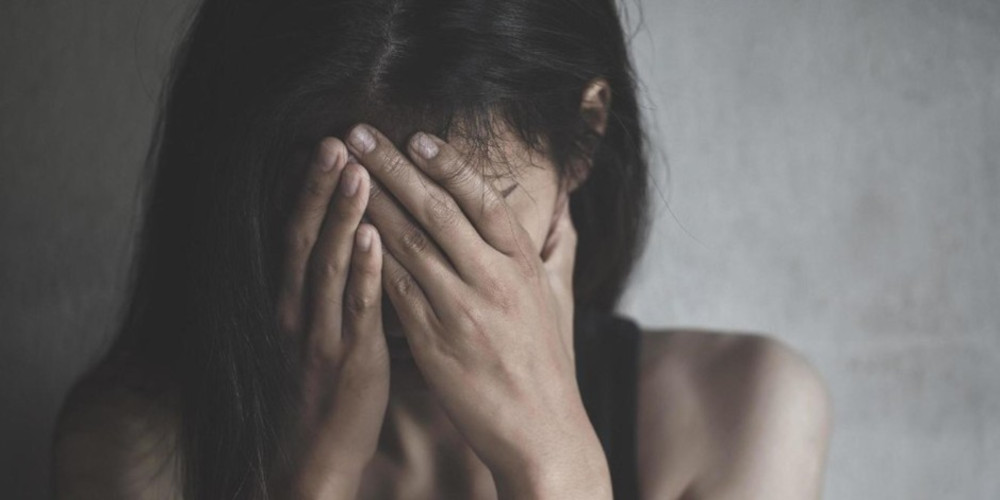
Victims who dare to speak up often hit a wall of disbelief. People defend the perpetrator instinctively because acknowledging the violence would mean re-examining their own judgment. Many would rather believe that the victim is unstable, dramatic, or misinterpreting events than confront the reality that someone they admire is capable of cruelty.
This community denial isolates victims and emboldens abusers. It sends a clear message, “He is more valuable to us than your safety.” As a result, victims stay silent longer, tolerate escalating violence, and question their own reality because the people around them refuse to see what is uncomfortable to acknowledge. Reputation becomes not just a shield, it becomes a cage that traps the victim and protects the abuser.
The Gender Stereotypes
Society has a long habit of excusing men’s harmful behaviour as stress, temperament, or personality quirks. A man who yells is “overwhelmed.” A man who punches a hole in the wall is “blowing off steam.” A man who threatens his partner is “just emotional.” The bar for acceptable male behaviour is often set so low that violence becomes disguised as frustration or passion, while the victim is labelled sensitive, dramatic, or confrontational.
These stereotypes do enormous damage. They teach men that anger is a natural right and teach women that navigating that anger is their responsibility. Many abusers hide behind this cultural script because they know people will accept it. Blaming stress, work pressure, alcohol, or a bad childhood becomes a convenient way to avoid accountability while keeping society firmly on their side.
This double standard is especially visible in how men and women are judged. A woman who raises her voice is “unhinged.” A man who throws objects is “just having a moment.” A woman questioning her partner’s behaviour is “nagging.” A man intimidating his partner is “just being protective.” These biases may seem subtle, but they shape the way communities respond to allegations of abuse. They create emotional blind spots that victims pay for with their safety.
The Alcohol Excuse and the Lies It Protects
Alcohol is one of society’s favourite scapegoats. How many times has someone excused an abuser’s behaviour by saying, “He didn’t mean it, he was drunk”? This line has protected violent men for generations. It transforms deliberate abuse into an accidental outburst. It shifts blame from character to circumstance. It allows communities to avoid holding perpetrators accountable by treating the violence as an unfortunate side effect rather than a direct act of harm.
But alcohol does not create violence. It reveals it. It removes the filters that keep cruelty contained. A man who becomes violent when intoxicated already carries that violence inside him. Alcohol is not a possession, it is a permission slip. Victims understand this long before outsiders do. They watch small comments turn into insults, firm grips become bruises, raised voices become slammed doors. They see the connection between drinking and danger because they are the ones who stay awake listening for footsteps, bracing for impact, and calculating the safest reaction when the mood shifts.
The alcohol excuse also rewrites the story in the abuser’s favour. Instead of taking responsibility, he gets to frame himself as struggling, overwhelmed, or unable to cope. The narrative becomes about recovery or sobriety rather than accountability. Meanwhile, the victim is told to be patient, compassionate, and supportive, while the danger in the home remains the same.
Why Families Often Choose the Abuser
One of the most devastating realities for victims is discovering that their own families may side with the abuser. It is not always malicious. Sometimes it is convenience, denial, or the desire to keep the peace. Families might say, “He loves you,” “Marriage is hard,” “Be patient,” or “He provides for you.” They may dismiss the violence because they do not want the social embarrassment or responsibility of supporting the victim through upheaval.
In some cases, families actively blame the victim. They question their behaviour, their decisions, their tone, their emotional state. This interrogation is a subtle way of saying, “We believe him more than you.” Abusers exploit this dynamic by being especially charming to the victim’s family. They present themselves as caring, committed partners, and many families fall for the façade because it aligns with their own desire for stability.
For the victim, this betrayal cuts deeper than the violence itself. It confirms the abuser’s message that nobody will help them. It reinforces their isolation. It erodes their sense of safety in the world beyond the home. Families who side with abusers are not neutral, they are collaborators in the victim’s suffering.
The Silence Around Male Victims
Domestic violence against men is an uncomfortable topic for many communities. It challenges cultural expectations, gender roles, and the image of masculinity. Men who are abused face a unique shame that keeps them silent. They worry nobody will believe them, or worse, that they will be mocked. Society frames male victims as weak or unmanly, which discourages men from seeking help even when they are in clear danger.
The silence around male victims also benefits abusers. Women can be perpetrators too, and their violence is often minimised or romanticised as emotional volatility rather than physical harm. Same-sex relationships add another layer of complexity, where dynamics of power and control do not fit traditional narratives and are often dismissed or misunderstood.
Male victims face the same patterns of gaslighting, manipulation, isolation, and intimidation as women, but their suffering is rarely taken seriously. Law enforcement responses are inconsistent, medical assessments are often dismissive, and mental health services are not always equipped to recognise the signs in men. This silence does not just harm male victims, it reinforces the broader culture of disbelief and minimisation that shields all abusers.
The Unseen Power
Abusers rely heavily on community complicity to maintain control. Friends overlook the red flags. Neighbours silence their suspicions. Families accept excuses. Society praises the perpetrator for being charming or hardworking. Victims quickly learn that speaking up risks public humiliation, disbelief, or retaliation. They also learn that their abuser does not need to defend himself, the community will do it for him.
Communities often protect the abuser because it is psychologically easier. Confronting violence requires conflict, discomfort, and the willingness to see someone you like in a harsh light. Most people avoid that level of emotional courage. They prefer a tidy narrative where the couple is going through a “rough patch” or the victim is “confused” or “too emotional.” These labels shield the community from accountability and leave the victim trapped.
Complicity is not passive. It is active harm. Silence tells the abuser he can continue with confidence. Disbelief tells the victim she is alone. Neutrality tells both parties that violence is not serious enough to require action. Communities do not need to strike a victim to contribute to her suffering, they just need to stay comfortable.
When the Abuser Is a Public Success Story
Perpetrators who are successful in their careers or admired in their communities have even more protection. Teachers, pastors, businessmen, athletes, doctors, and public figures are often shielded by their social value. People assume achievement equals morality. They believe that someone who contributes positively to society cannot also be violent at home.
Victims caught in these relationships face enormous pressure to protect the abuser’s reputation. They fear retaliation, disbelief, and the social fallout that comes from exposing someone the community respects. They often stay silent because they know the world will defend the abuser before it defends them. When the abuser’s identity is tied to public admiration, the victim becomes the sole custodian of the truth, and that truth becomes too heavy to carry alone.
What It Takes to Break the Silence
Ending domestic violence is not just about supporting victims. It is about challenging the cultural comfort that allows abusers to thrive. Communities must be willing to question their assumptions, confront uncomfortable realities, and stop prioritising reputation over safety. The first step is believing victims, even when the abuser does not fit the stereotype. The second is acknowledging that violence can come from anyone, regardless of social status, personality, or charm.
Society must let go of the myth that abusers are obvious villains. Many are skilled manipulators who curate their public image meticulously. They do not look dangerous. They look trustworthy. And that is exactly how they maintain control.
Domestic violence cannot be addressed until communities stop choosing convenience over truth. Silence protects the perpetrator. Discomfort protects the victim. The question is whether communities are willing to tolerate the discomfort required to save lives, or whether they will continue enabling the abuser next door.