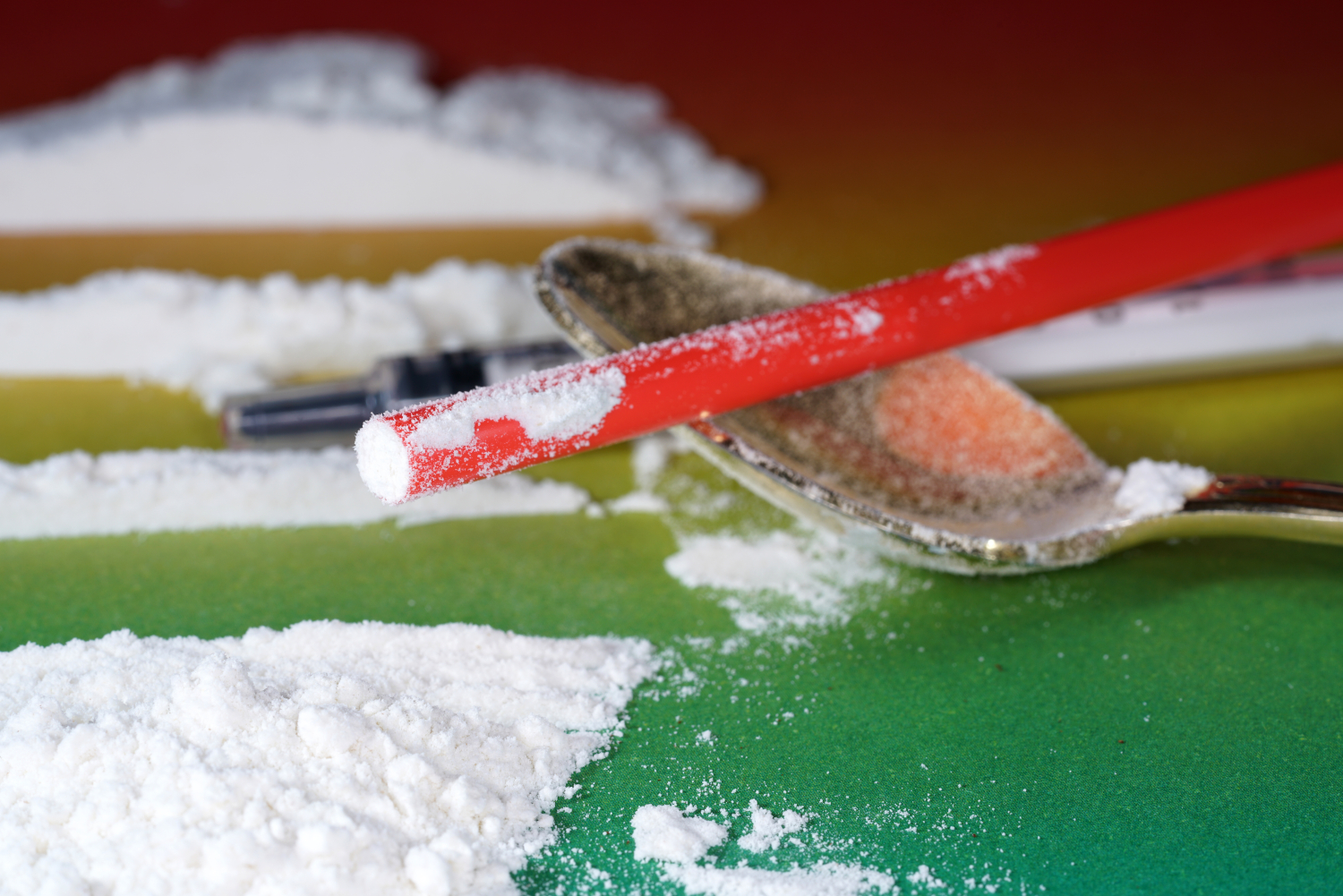

Cocaine addiction doesn’t creep into people’s lives quietly. It arrives with speed, intensity, and consequences that escalate faster than most families can keep up with. By the time someone admits they need help, their life is usually tangled in secrecy, exhaustion, broken routines, and relationships strained to their limits. Cocaine rehab exists for one reason, to interrupt that cycle and rebuild stability where chaos has taken over. Healing from cocaine addiction isn’t about chasing perfection or pretending the past didn’t happen. It’s about restoring clarity, control, and dignity, piece by piece, in a structured environment designed to support, guide, and stabilise. Rehab isn’t punishment or confinement; it’s a reset that allows people to breathe again after years of chasing the next high.
Why Cocaine Addiction Takes Hold So Quickly
Cocaine grabs the brain in seconds. It spikes dopamine to unnatural levels, giving a rush that feels powerful, sharp, and unstoppable. The body remembers that feeling immediately, and the brain rewires itself to chase it again. That’s why cocaine addiction escalates so fast and becomes so hard to regulate. People don’t use cocaine because they’re reckless or immoral, they use it because, for a brief moment, it creates the illusion of confidence, energy, and control. But what feels like a shortcut eventually becomes a trap. Cocaine burns through dopamine, leaving the brain depleted. This leads to irritability, anxiety, paranoia, exhaustion, and a cycle of using again just to feel normal. Families often misunderstand this cycle, thinking their loved one is intentionally destructive. The truth is far more complex. Cocaine addiction is a brain disorder, not a personality flaw, and rehab addresses it at that level.
When People Realise They Need Help
Most people don’t wake up one morning and decide they have a cocaine problem. The realisation comes slowly. It happens when someone looks in the mirror and doesn’t recognise themselves anymore. It happens when they wake up after a binge feeling disconnected, shaky, and ashamed. It happens when money goes missing, fights become frequent, or when panic attacks start hitting without warning. It happens when functioning becomes impossible, sleep patterns collapse, work performance crashes, moods swing sharply, and the mental noise becomes unbearable. Rehab becomes not just an option but a necessity when the person can’t stop on their own regardless of the promises they make. Cocaine is a stimulant that convinces people they are in control right up until the moment they aren’t.
What Rehab Actually Does for Cocaine Addiction
Cocaine rehab isn’t a place where people sit around talking about feelings all day. It is structured, clinical, and designed to stabilise the brain and body after stimulant overload. The first intervention is creating a safe environment. No chaos. No substances. No triggers. Just space to think clearly again without the drug calling the shots. Medical teams help regulate sleep, nutrition, hydration, and nervous system functioning. Cocaine disrupts all of these, leaving people physically depleted. Restoring the basics is one of the most powerful early interventions because it gives the person their mental sharpness back. Once the body stabilises, therapy becomes more effective. Rehab equips people with practical tools instead of vague motivation, tools that help regulate emotions, manage cravings, and rebuild daily structure.
Rebalancing a Brain That’s Been Overworked
Cocaine forces the brain into overdrive. It drains dopamine, disrupts sleep cycles, spikes anxiety, affects appetite, and destabilises the cardiovascular system. Rehab introduces medical oversight to reverse these effects in a controlled way. People often sleep deeply for the first time in years. Their appetite comes back. Their heart rate stabilises. Their nervous system calms enough for them to think straight. Physical healing doesn’t require dramatic effort, it requires consistency, nutrition, hydration, and rest, all of which are impossible to maintain during active addiction. Once the body stops living in crisis mode, the person can finally process what they’ve been avoiding. Cocaine addiction is as physical as it is psychological, and rehab rebuilds both at the same time.
Facing What Cocaine Was Hiding
Cocaine addiction is often the symptom, not the core problem. People use cocaine to escape something, stress, depression, trauma, insecurity, boredom, loneliness, or emotional overwhelm. Rehab helps unpack the reasons behind the addiction without judgement. This isn’t about digging through every memory or reliving pain; it’s about understanding patterns and triggers. People learn how to recognise the emotions they used cocaine to avoid and how to manage those emotions without numbing them. This part of healing is powerful because it gives people the confidence to handle life realistically rather than constantly trying to outrun it. Emotional healing isn’t about being vulnerable for the sake of vulnerability, it’s about reclaiming control.
Breaking the Psychological Grip of Cocaine
Cocaine creates a strong psychological pull. The triggers are everywhere, people, places, music, stress, late nights, even certain moods. Rehab teaches people how to identify these triggers and disarm them. Instead of hoping willpower saves them, they learn concrete strategies to disrupt the urge before it grows. Cognitive behavioural therapy helps challenge the automatic thinking that leads to using. Trauma-focused therapy helps address deeper wounds. Group therapy offers solidarity instead of isolation. These psychological interventions are not about sharing trauma stories in a circle. They’re about replacing destructive patterns with functional ones so that cocaine no longer has space to sneak back in.
The Role of Structure in Healing
Cocaine addiction destroys structure. Sleep becomes irregular. Eating patterns disappear. Work becomes inconsistent. Relationships become unstable. The brain becomes conditioned to chaos, and chaos becomes the default state. Rehab rebuilds structure in a way that feels grounding rather than suffocating. Set routines help stabilise the nervous system. Consistent sleep resets dopamine. Scheduled therapies create rhythm. Boundaries create safety. Many people underestimate how much structure influences recovery until they experience it. A well-structured environment gives the brain time to heal while teaching the person how to build sustainable routines once they leave.
Addressing Shame Without Feeding It
Shame is one of the heaviest burdens people carry into rehab. They feel ashamed of the choices they made, the lies they told, the money they wasted, and the damage caused. Families often carry their own shame too. Rehab helps separate the person from the addiction. It teaches people that shame is not a treatment method, it’s a trap. Shame keeps people stuck. Honesty sets them free. Healing requires clarity, not judgement. Rehab environments are built intentionally to reduce shame and emphasise accountability instead, accountability that helps people take control rather than collapse under regret.
Rebuilding Relationships Without False Promises
Cocaine addiction strains, and sometimes shatters, relationships. Partners lose trust. Children feel confused. Parents swing between anger and worry. Friends pull away. Rehab helps people rebuild these relationships with honesty rather than empty promises. People learn how to communicate clearly. How to repair trust slowly and realistically. How to apologise without turning it into self-punishment. How to set boundaries with people who may trigger relapse. Repairing relationships is not about dramatic speeches or emotional apologies; it’s about sustained behaviour change rooted in clarity and consistency.
The Power of Aftercare
Healing does not end when rehab ends. Aftercare is the bridge between the protected environment of rehab and the unpredictability of daily life. It includes therapy, support groups, relapse-prevention planning, and lifestyle adjustments. Aftercare focuses on maintenance, the small, consistent actions that keep someone grounded. It’s realistic, practical, and personalised. People learn how to manage pressure, navigate triggers, build healthy routines, and maintain mental stability without feeling overwhelmed. Aftercare doesn’t follow people around telling them what to do. It supports them as they continue building the life rehab helped them stabilise.
Stability, Clarity, and Self-Respect
Cocaine rehab is about more than stopping a substance. It’s about piecing together a life that felt unmanageable before treatment. Healing means waking up without panic. It means having mental clarity that isn’t chased through chemicals. It means being present with family, functioning at work, and feeling grounded in your own decisions. It’s about reclaiming the version of yourself that cocaine obscured, not a perfect version, just a functional, real, authentic one. Cocaine addiction takes a lot from people, but rehab gives back the things that matter most, stability, clarity, and self-respect. With the right support, healing becomes not only possible but sustainable.